Surviving High Altitude: Practical Tips for First-Time Mountain Trekkers
Surviving High Altitude: Practical Tips for First-Time Mountain Trekkers
Planning a high altitude hiking experience? Don’t let the mountain knock you out…
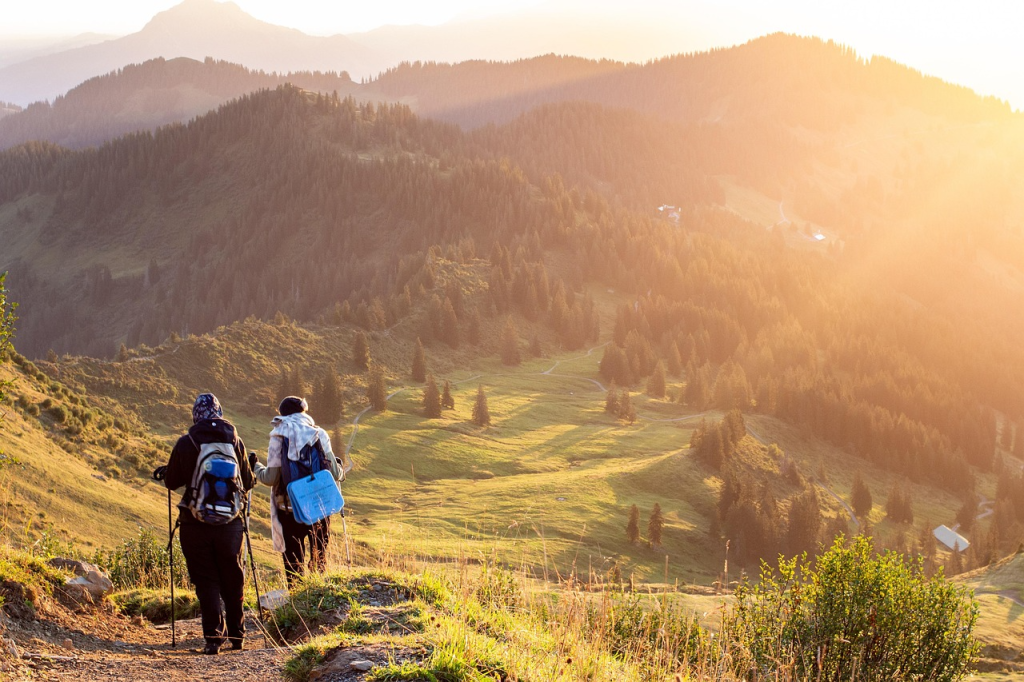
https://pixabay.com/photos/mountaineers-mountains-trail-5649828
EVERY year, thousands of people flock up to the mountains with absolutely no preparation. They throw their backpacks on, hit the trail… Then wonder why they feel like death at 12,000ft.
Here’s what most people don’t tell you:
High altitude hiking is INCREDIBLE. But it can be dangerous if proper precautions aren’t taken. Whether the goal is to summit the impressive Salkantay Pass… or tackle one of the Nepalese trails… Preparation is KEY.
The good news? With a little preparation… surviving high altitude can be simple. Let’s take a look:
What’s covered:
- What Happens To Your Body At High Altitude?
- Acute Mountain Sickness: The Warning Signs
- Practical Tips For First-Time Trekkers
- Gear Essentials For High Altitude Hikes
What Happens To Your Body At High Altitude?
Knowledge is key to staying safe. Before getting into actual tips… let’s talk about what altitude does to the body.
When you ascend to high elevation, the air pressure decreases. Which means every breath you take puts less oxygen into your lungs. Your heart rate increases, breathing gets heavier and your body begins to feel terrible.
Above 8,000ft, your body starts to realise something isn’t right.
Ascend above 12,000ft? Things start to fall apart.
And that’s why acclimatisation is so important. Without proper recovery days, altitude sickness can creep up on anyone… Fitness level, age or experience doesn’t matter.
Acute Mountain Sickness: The Warning Signs
AMS, or Acute Mountain Sickness, is the most common form of altitude sickness.
The CDC’s Yellow Book states that AMS occurs in about 25% of travellers sleeping at elevations over 8,000ft. That may not sound like a lot… but this percentage increases the higher you trek.
Headache. Nausea. Weakness. Sound familiar?
These are your body’s way of telling you something is wrong.
Many trekkers don’t realise they’re suffering from AMS. Symptoms are often written off as normal exhaustion from hiking. Ignoring these signs can lead to life-threatening illnesses such as HACE (High Altitude Cerebral Edema) or HAPE (High Altitude Pulmonary Edema).
A recent Himalayan study found that 45% of trekkers on the Annapurna Circuit experienced AMS symptoms. Nearly half. That should be enough motivation for anyone to take altitude seriously.
But before things get worse… give your body a chance to adjust. Remain at that elevation until symptoms disappear. Rest. Hydrate. If things don’t improve… Descend.
Plain and simple.
Practical Tips For First-Time Trekkers
Now that the scary part is out of the way…
Let’s talk about some actual tips for your next hike!
Acclimatise Properly
This tip tops the list for a reason.
Take your time. Your body needs time to adjust to the decreasing levels of oxygen. Try not to ascend more than 500 metres when it comes to sleeping elevation past 3,000 metres. Also, for every 1,000 metres of elevation you gain, add an extra rest day.
Ascending too quickly is the number one cause of altitude problems. Patience will prevail.
Hydrate (Like Your Life Depends On It)
At high elevation dehydration creeps up on you quickly.
Altitude causes you to dehydrate faster than you realise. Breathing becomes more rapid. The air is dryer. And your body loses more water vapour than you think.
Did you know that at 14,000ft you lose 1-2 litres of water EVERY DAY just by breathing?
Drink up.
Trekkers should aim to drink anywhere from 3-4 litres of water per day.
Water alone won’t cut it though. Pick up some electrolyte supplements. Your body will thank you.
Fuel Your Body With the Right Stuff
High altitude metabolism is real.
You’ll notice your appetite slowly diminish as you climb higher. But that doesn’t mean you should skip meals.
The body requires WAY more calories at elevation than sea level. Pack plenty of carb-rich snacks:
- Trail mix/nuts
- Energy bars
- Dried fruit
- Chocolate
Eat small meals frequently. Rather than trying to force down large portions. Keep snacks within reach.
Train BEFORE You Leave Home
No… this will not prevent altitude sickness.
But it absolutely makes the trek easier.
Focus on endurance and leg strength in the months prior to your trip. Get outside and start hiking with a loaded backpack. The more you can simulate what your body will be going through… the easier your trek will be.
Downhill hiking is something lots of people neglect. But downhill destroys the knees and quads. Don’t neglect this during training.
Just Because You Start… Doesn’t Mean You Have To Finish
This tip is probably the toughest for most people to swallow…
Turn around.
If you start to feel extremely ill… You only have ONE choice to make. Descend. Down, down, down.
Period.
Mountains will always be there next season. No summit is worth dying over.
Taking your time and acclimatising properly is critical… But sometimes things happen. Don’t be afraid to cut your trip short.
Warning signs include:
- Severe headache – Painkillers don’t help
- Confusion / Can’t coordinate body movements
- Shortness of breath at rest
- Continual vomiting
If you experience any of these… START heading down the mountain. Now.
Gear Essentials For High Altitude Hikes
Last but not least… Let’s go over some hiking gear essentials.
There’s tons of “needs” for high altitude hiking. But this list is kept simple:
- Layered clothing. Temperatures at altitude can change drastically within minutes. A wicking base layer, insulation mid-layer and waterproof shell are absolute necessities.
- Sun block. Sun exposure increases by 10% every 1,000 metres. Bring sunglasses, sunscreen and a hat.
- Trekking Poles. They reduce knee impact and help with balance. Super helpful when your legs feel like jello on those long downhills.
- First aid kit. Include acetazolamide, painkillers and blister treatment.
Less is more when packing. But these things will make your life easier.
Conclusion
There you have it.
High altitude hiking is an adventure like no other. But it’s not something to take lightly.
Remember:
- Know what your body is experiencing at altitude
- Know the signs of AMS
- Take your time and acclimatise slowly
- Drink plenty of water
- Bring high carb snacks
- Train before your trek
- Listen to your body. If you feel deathly ill… Turn Around.
Don’t let your first high altitude trek be your last.
Follow these tips. And your next hike will be one you never forget.

For advertisements, please contact us at [email protected]